Artificial Intelligence in Cardiology
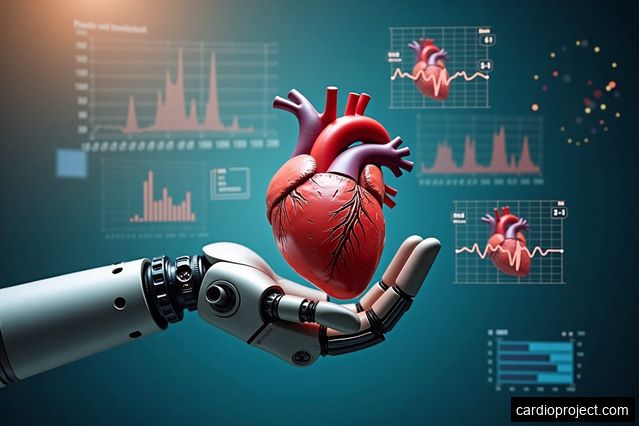
Artificial intelligence (AI) has emerged as a game-changer in the field of cardiology. With its ability to analyze vast amounts of data quickly and accurately, AI algorithms can assist in diagnosing heart conditions and predicting patient outcomes. Machine learning algorithms are being used to detect patterns in medical imaging, allowing for early detection of heart disease and improving the accuracy of diagnoses. Additionally, AI-powered devices can monitor patients remotely, enabling continuous monitoring and timely intervention.
Robot-Assisted Surgery
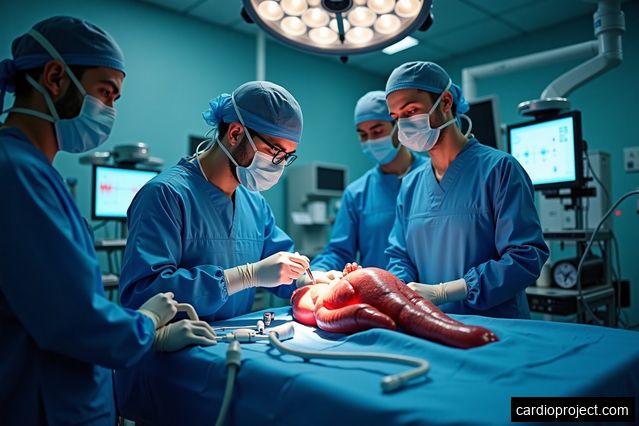
Robot-assisted surgery has revolutionized cardiac procedures, making them less invasive and more precise. Surgeons can now perform complex cardiovascular surgeries with the assistance of robotic systems, which provide enhanced visualization, dexterity, and control. These systems enable surgeons to perform procedures with smaller incisions, reducing patient trauma, post-operative pain, and recovery time. Robot-assisted surgery has improved the success rates of procedures such as coronary artery bypass grafting and mitral valve repair.
Telemedicine and Remote Monitoring
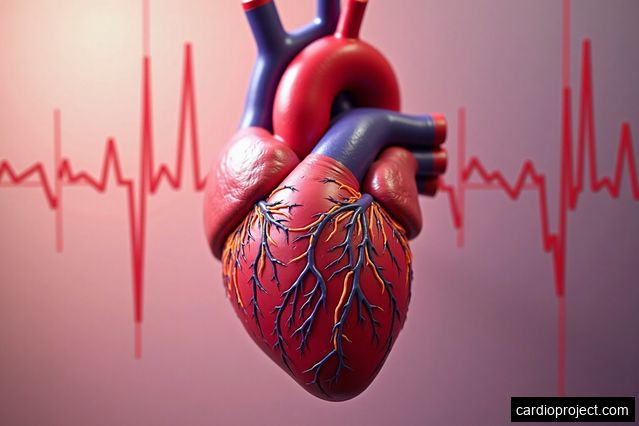
Telemedicine has become a vital tool in the field of cardiology, especially in remote areas where access to specialized care may be limited. Through telemedicine platforms, patients can consult with cardiologists remotely, reducing the need for travel and allowing for timely intervention. Remote monitoring devices, such as wearable sensors and smartphone applications, enable continuous monitoring of vital signs, ECG, and other cardiac parameters. These technologies provide real-time data to healthcare professionals, allowing for early detection of abnormalities and prompt interventions, ultimately improving patient outcomes.
3D Printing in Cardiac Imaging
The use of 3D printing technology in cardiology has transformed the way clinicians visualize and plan complex cardiac procedures. By converting medical imaging data into 3D models, doctors can better understand the patient's anatomy and simulate procedures before performing them. This technology has proven particularly valuable in cases of congenital heart defects, where customized surgical approaches are often required. 3D printing allows for personalized treatment plans, reducing surgical complications and improving patient outcomes.
Nanotechnology and Drug Delivery
Nanotechnology has opened up new possibilities in drug delivery for cardiac conditions. Nanoparticles can be designed to carry medications directly to the diseased heart tissue, improving treatment effectiveness and reducing side effects. These nanoparticles can bypass biological barriers, such as the blood-brain barrier, allowing for targeted delivery of therapeutic agents to specific areas of the heart. Nanotechnology-based drug delivery systems have the potential to enhance the efficacy of cardiac therapies, including treatment for heart failure, arrhythmias, and ischemic heart disease.
Bioengineered Cardiac Tissue
Bioengineered cardiac tissue offers a promising solution for patients with heart failure or damaged heart tissue. Scientists are developing methods to create functional heart tissue in the laboratory using a patient's own cells or stem cells. This tissue can be used for transplantation or as a model for drug testing and personalized medicine. Bioengineered cardiac tissue has the potential to revolutionize cardiac regenerative medicine, offering hope for patients with limited treatment options.